
 Call a Friend
 Create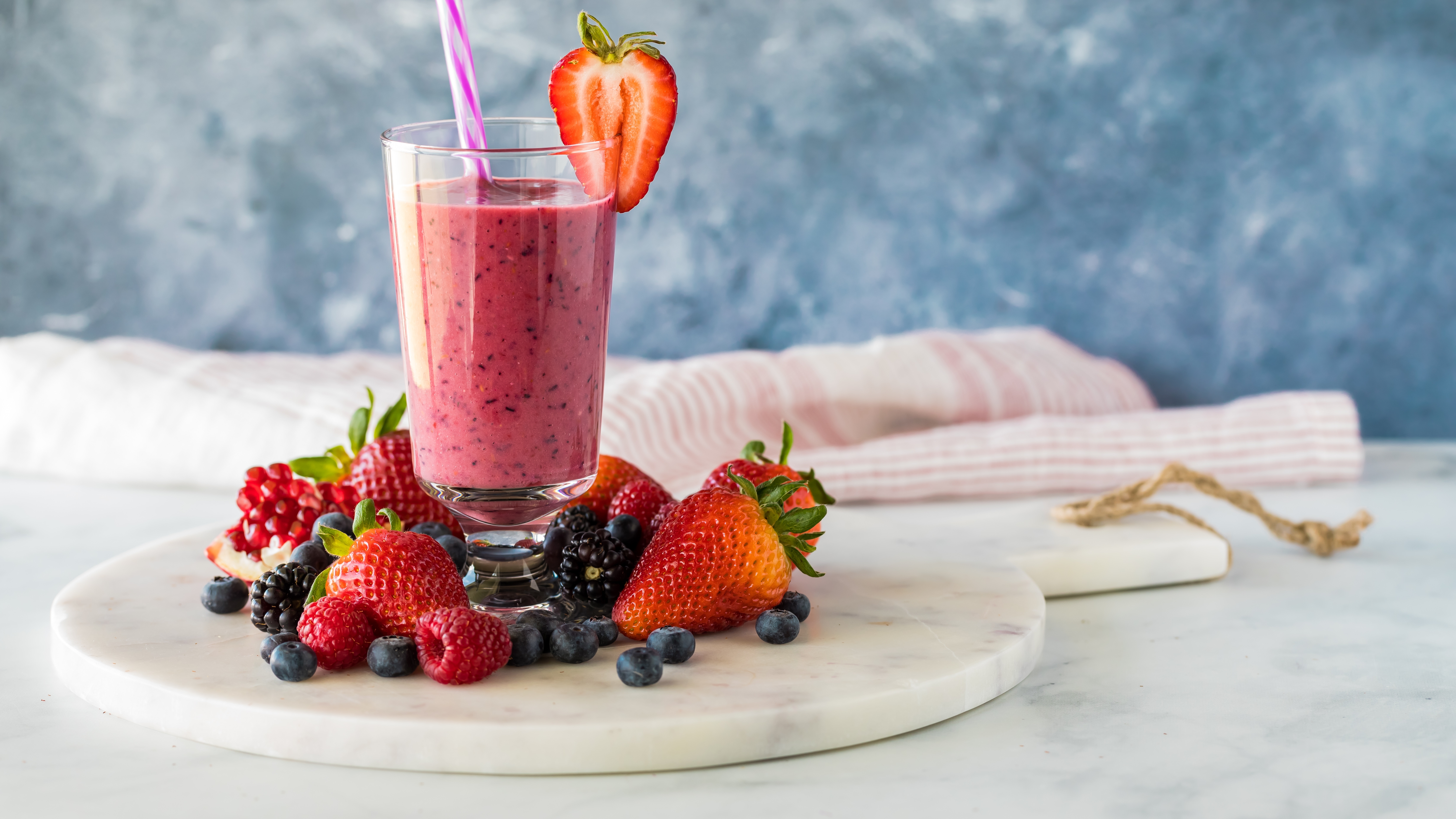
For years, smoothies have been marketed as nutritional shortcuts: blend together enough healthy ingredients and the result must be good for you.
But emerging research suggests nutrition is sometimes more complicated than simply adding more “superfoods” into a blender.
A recent study from researchers at the University of California, Davis found that adding bananas to berry smoothies may dramatically reduce the body’s ability to absorb flavanols — plant compounds linked to cardiovascular and cognitive health.
The finding surprised many people because both bananas and berries are individually considered healthy foods.
The issue is not that bananas are harmful. It is that food ingredients can chemically interact in ways that change what the body actually absorbs.
Researchers focused on an enzyme called polyphenol oxidase (PPO), which is naturally abundant in bananas. PPO is the same enzyme responsible for the browning seen when bananas or apples are cut and exposed to air. According to the study, PPO appears to degrade flavanols found in berries, cocoa, grapes, apples, and other foods before the body can fully absorb them.
In the study, participants who consumed banana-based smoothies showed approximately 84% lower flavanol levels compared with participants consuming low-PPO berry smoothies or flavanol control capsules.
That is a striking result.
But perhaps the deeper lesson is broader than smoothies themselves.
Modern nutrition culture often treats foods as isolated “health objects” — protein, antioxidants, vitamins, fiber, supplements — rather than parts of complex biological systems. Yet the body responds not only to what we consume, but also to combinations, preparation methods, digestion, metabolism, and bioavailability.
In other words:
Nutrition is not merely about what is present in food.
It is also about what the body can actually use.
Importantly, researchers are not suggesting people should stop eating bananas. Bananas remain nutritionally valuable sources of potassium, fiber, vitamin B6, and carbohydrates.
The findings matter mainly for people specifically trying to maximize flavanol intake for heart and brain health.
For those goals, researchers suggest pairing berries with lower-PPO ingredients such as:
- pineapple
- mango
- oranges
- yogurt
- plant milks
instead of bananas.
There is also something psychologically interesting about the study.
Many people now approach health through optimization culture — endless tracking, supplements, hacks, and nutritional perfectionism. But studies like this quietly remind us that biology is nuanced, contextual, and sometimes resistant to simplistic rules.
A smoothie can still be healthy even if one ingredient reduces absorption of a particular compound.
The larger pattern of eating likely matters far more than obsessing over a single enzymatic interaction.
Still, the research does reinforce an increasingly important scientific principle:
Food is chemistry.
And the body is not a calculator.
Different ingredients interact continuously in ways nutrition science is only beginning to fully understand.
Perhaps the healthiest response is not anxiety over every meal combination, but a calmer form of nutritional literacy — understanding that whole foods, variety, consistency, and long-term habits matter more than isolated “superfood” narratives ever did.
Sources and Further Reading
University of California - Davis. "Surprising research reveals why you shouldn't add bananas to your smoothies." ScienceDaily. ScienceDaily, 24 May 2026.