 Call a Friend
 Create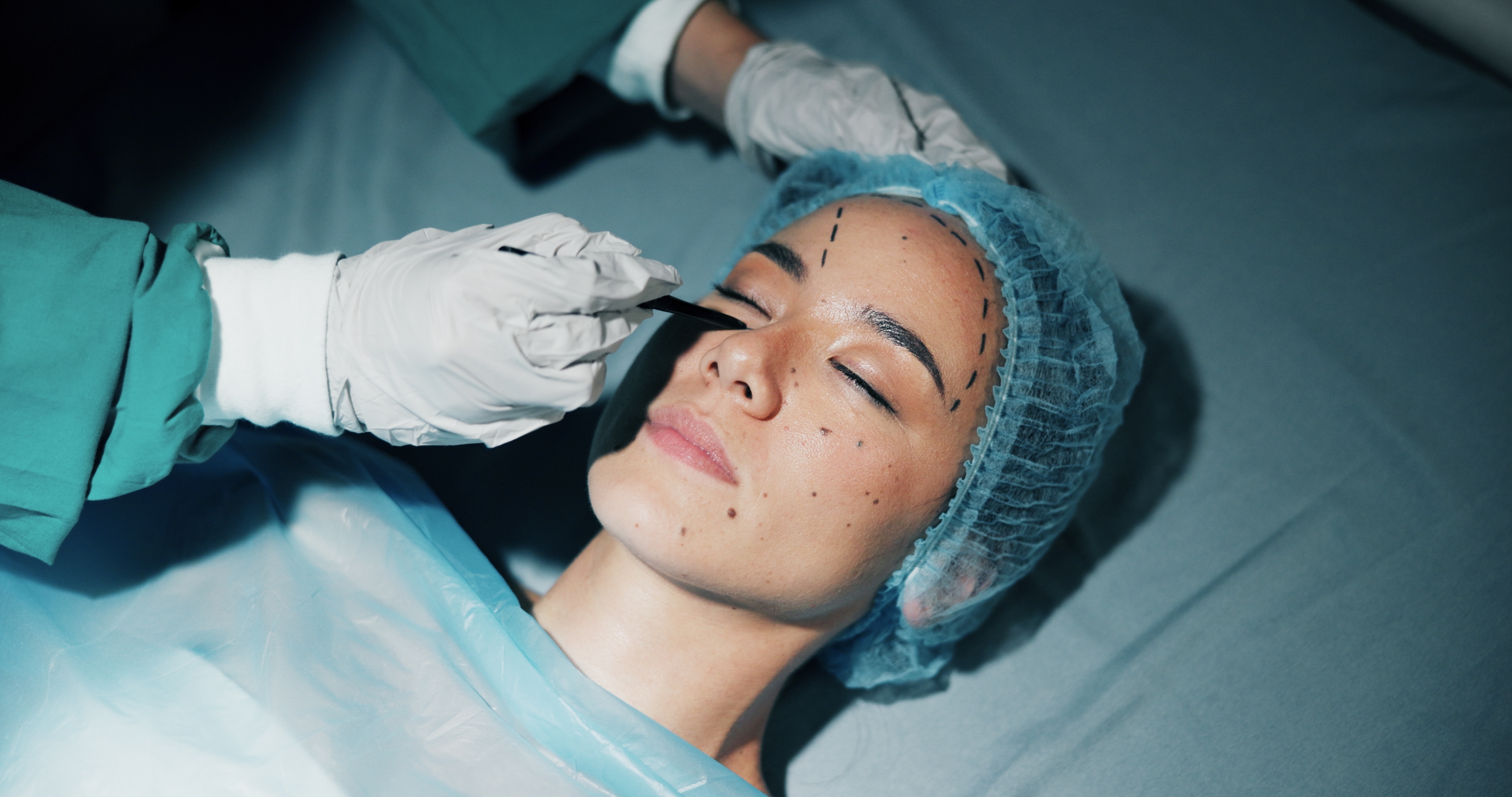
For much of the past two decades, there seemed to be an unspoken rule in Hollywood.
Aging was acceptable—as long as nobody could see it.
Smooth foreheads, frozen expressions, sculpted cheeks, and increasingly uniform faces became so common that many actresses began to resemble one another more than themselves. Cosmetic procedures that were once subtle and occasional became routine and, in some circles, expected.
But a recent article in The Guardian suggests something may be changing. A growing number of actresses and public figures are speaking openly about cosmetic procedures that left them feeling disconnected from their own appearance. Others are choosing a different path altogether: allowing themselves to age more naturally and visibly. The result is not a rejection of self-care, but a reconsideration of what beauty means in later life.
The Cost of Perfection
The pressure on women to remain youthful is hardly new.
Research consistently shows that women face greater appearance-related scrutiny than men, particularly in industries where visibility is closely tied to career opportunities. Hollywood has often served as the most visible example of these pressures, but similar expectations can be found across social media, advertising, and everyday life.
The challenge is that the pursuit of perpetual youth can become a moving target.
Each new procedure promises improvement. Yet because aging itself never stops, the standard becomes increasingly difficult to satisfy. What begins as maintenance can gradually become a struggle against biology itself.
Many women describe a subtle shift when they reach middle age. The question changes from "How do I look younger?" to "How do I still look like me?"
Those are not the same question.
The Rise of the "Unretouched" Face
Part of the cultural shift may be fatigue.
After years of filtered photographs, edited images, and highly altered appearances, many people are finding authenticity more appealing than perfection. Studies of social media use suggest that heavily edited images can contribute to appearance dissatisfaction and unrealistic expectations, particularly among young women.
In response, there has been growing interest in representations of beauty that include wrinkles, grey hair, changing skin texture, and the visible signs of a life fully lived.
This does not mean abandoning personal care.
Women continue to use skincare, hair color, fitness programs, cosmetic treatments, and aesthetic procedures. The difference may be one of philosophy rather than technique.
The goal becomes enhancement rather than erasure.
Aging Is Not Failure
Perhaps the most damaging idea modern culture has absorbed is that aging represents a kind of personal defeat.
It does not.
Aging is not evidence that something has gone wrong. It is evidence that life is continuing.
Every line on a face represents years of experiences, challenges, relationships, joys, disappointments, and lessons learned. While nobody welcomes every aspect of aging, there is a profound difference between caring for oneself and believing one must permanently conceal the passage of time.
The most compelling faces are often not the youngest.
They are the faces that still convey character.
Warmth.
Humor.
Wisdom.
Resilience.
Those qualities cannot be injected, lifted, or filtered into existence.
A Lydia™ Perspective
One of the quietest forms of freedom may be deciding that you no longer need to compete with your younger self.
Many women spend years being told they should look younger, thinner, smoother, firmer, or more flawless. Yet some of the most striking women become more attractive as they age—not because they defeat time, but because they become increasingly comfortable in their own skin.
Confidence has its own beauty.
So does authenticity.
This does not mean every woman must reject cosmetic procedures, nor should anyone judge those who choose them. Personal choices about appearance are deeply individual.
But perhaps there is something refreshing about the emerging cultural shift.
Instead of asking women to erase every sign of aging, we might begin to recognize that a life well lived leaves visible traces.
And perhaps those traces deserve a little more respect.
Further Reading & Sources
This article is original Lydia.com commentary inspired by publicly available reporting and research.
- The Guardian: Hollywood is changing its tune on plastic surgery. Finally, women are allowed to look their age (June 2026).
- Jamie Lee Curtis has spoken publicly about regretting certain cosmetic procedures and has become a prominent voice in discussions about aging and authenticity.
- Research literature on body image, appearance pressures, aging, and media representation of women.
- Andie MacDowell and other public figures have contributed to broader conversations about visible aging and beauty standards.
Lydia™ provides independent editorial commentary inspired by publicly available reporting and research. The purpose of this article is not to prescribe how women should approach aging, but to encourage thoughtful reflection on beauty, authenticity, and self-acceptance in a culture often preoccupied with youth.